

Last weekend, I attended a wellness retreat. I felt a little guilty taking a day off, separating myself physically and emotionally from monitoring the markets and news and checking on clients. Now, upon my return, I know the timing was immaculate.
I was eaten up with tension and anxiety in the last weeks – absorbing the shock of the daily whipsawed news and the subsequent market fluctuations, not to mention the fears I felt from clients. I have been through complex markets. Dot com bubble, financial crisis, COVID, but this volatility feels different because it has a social thread running through it.
As I see it, we are in a crisis of humanity alongside political upheaval and turbulent economics. I do not pretend to know how long and deep this could go. I believe we must remain steady and focused on what we can control.
As I see it, we are in a crisis of humanity alongside political upheaval and turbulent economics.
While all this unfolded, I was deep into developing a program centered around financial well-being with Deb Bucci, PhD. We have spent several years piloting, researching, and building content around what it means to be financially “well.” Not “well off,” necessarily, but stable, balanced, and confident in one’s relationship to money. We know that money runs through all aspects of well-being – spiritual, physical, emotional, and vocational. We know that we must first be aware of what is causing financial stress – internal or external fears- and then we can plan to take action to improve our financial well-being and, ultimately, our lives.
On the wellness retreat, I experienced many natural and creative ways to ground myself, like watching the birds on a nature walk, painting, breathing exercises, and movements focused on releasing tension in the body parts where I hold stress. We also incorporated music, dancing, swimming in the ocean which metaphorically rinsed off the negative, along with journaling on gratitude and intention. These were actions that we took to reduce anxiety and fear. I will now incorporate a few of them into my everyday routine to manage stress.
In times when there is so much, we cannot control, and the media floods us with negativity, we must remember to take care of ourselves. Many of us have lost touch with our bodies and stay in such a stress mode that we have forgotten what it feels like to release tension and feel burden-free.
In times when there is so much, we cannot control, and the media floods us with negativity, we must remember to take care of ourselves.
For example, we have recency bias, and since the sharp rise in inflation in 2022, we fear it again. According to the Pew Research Center, 63% of Americans view inflation as a significant issue. Markets declined sharply then, too. Clients are understandably anxious when they see and feel these trends again. Or maybe it is a real fear directly related to an outcome – fear that you cannot retire when you want, leave the job you dislike, or get the divorce you feel is inevitable. These are real and valid concerns. Let’s say them out loud or write them down. Where in our bodies do we feel the fear? From a financial perspective, I believe we must understand what is causing our fear and what we are most afraid of.
What do we need to modify so that we can feel safe? What actions can we take financially to feel more secure in our plan?
Regarding portfolios, what is that margin of safety, that cash position that will allow me to sleep okay at night while the storms collide above and around me? How many years of possible distributions do I have in cash, so I do not have to sell assets when they are down? In addition to the portfolio management strategies, we use to help manage risk and reduce volatility, we’re also having broader planning conversations with clients. These discussions often focus on maintaining a long-term perspective and keeping certain assets invested to support their overall goals.
Regarding portfolios, what is that margin of safety, that cash position that will allow me to sleep okay at night while the storms collide above and around me?
From a planning perspective, what actions can be taken to manage other assets defensively? Directly managed accounts, such as retirement and college funding, may need to be rebalanced if they are nearing your goal. Here are some examples:
As part of your financial planning, we often recommend setting aside at least 12 months of living expenses in a high-yield money market account to help ensure liquidity and stability during market fluctuations
For those with a heavy concentration in U.S. equities—especially in the 70–100% range—it may be worth reviewing your allocation. Some investors explore a more diversified approach that includes international equities, shorter-duration fixed income, global bonds, or even commodities and low-volatility funds, depending on what’s available in their plan. As always, consider speaking with a financial professional before making any changes.
For those with a heavy concentration in U.
If college is just a few years away, some families choose to review their allocations to ensure a portion of the funds are in more conservative options, such as short-term bonds or money market funds, to help manage risk as tuition draws near. It’s a good idea to consult with a financial professional to determine what’s appropriate for your situation
It’s important to review any guaranteed income sources you may have. If you’re offered a lump sum from a pension, consider comparing the projected pension payments with other options available in the marketplace, such as annuities that may offer principal protection or guaranteed income—potentially even with future increases. Be sure to evaluate how these options align with your goals and consult a financial professional before making any decisions . Will the increases match projected inflation?
Are digital assets that you own readily available to liquidate should the need arise? Do you have easy access to them?
Are digital assets that you own readily available to liquidate should the need arise?
Pay attention to rising insurance costs and maintenance costs of real estate. If you own a passive rental property, is it cash flow positive? Is your mortgage on your home greater than 30% of my take-home pay? Can you refinance to reduce these payments?
Ask yourself every day. “What do I need to feel centered and grounded?“
And remember to breathe and take care of yourself in the meantime. There are many inexpensive ways to do this. There are free online classes on YouTube and meditation apps like Insight Timer. What self-care is free? Walking, watching the birds at a park, talking with a friend who lifts you, hugging your kids, sipping your favorite tea, journaling about gratitude, napping, and sitting in the sunshine.
And remember to breathe and take care of yourself in the meantime.
And support one another. We all want to be seen, heard and loved regardless of our perspectives, values, and belief systems.
Be Bold and Love Your Life. We are here to guide you in hard times.
This material is provided as a courtesy and for educational purposes only. Please consult your investment professional, legal or tax advisor for specific information pertaining to your situation.
This material is provided as a courtesy and for educational purposes only.
Brandon Cabaniss, CFP®
brandon@wwmgreenville.com
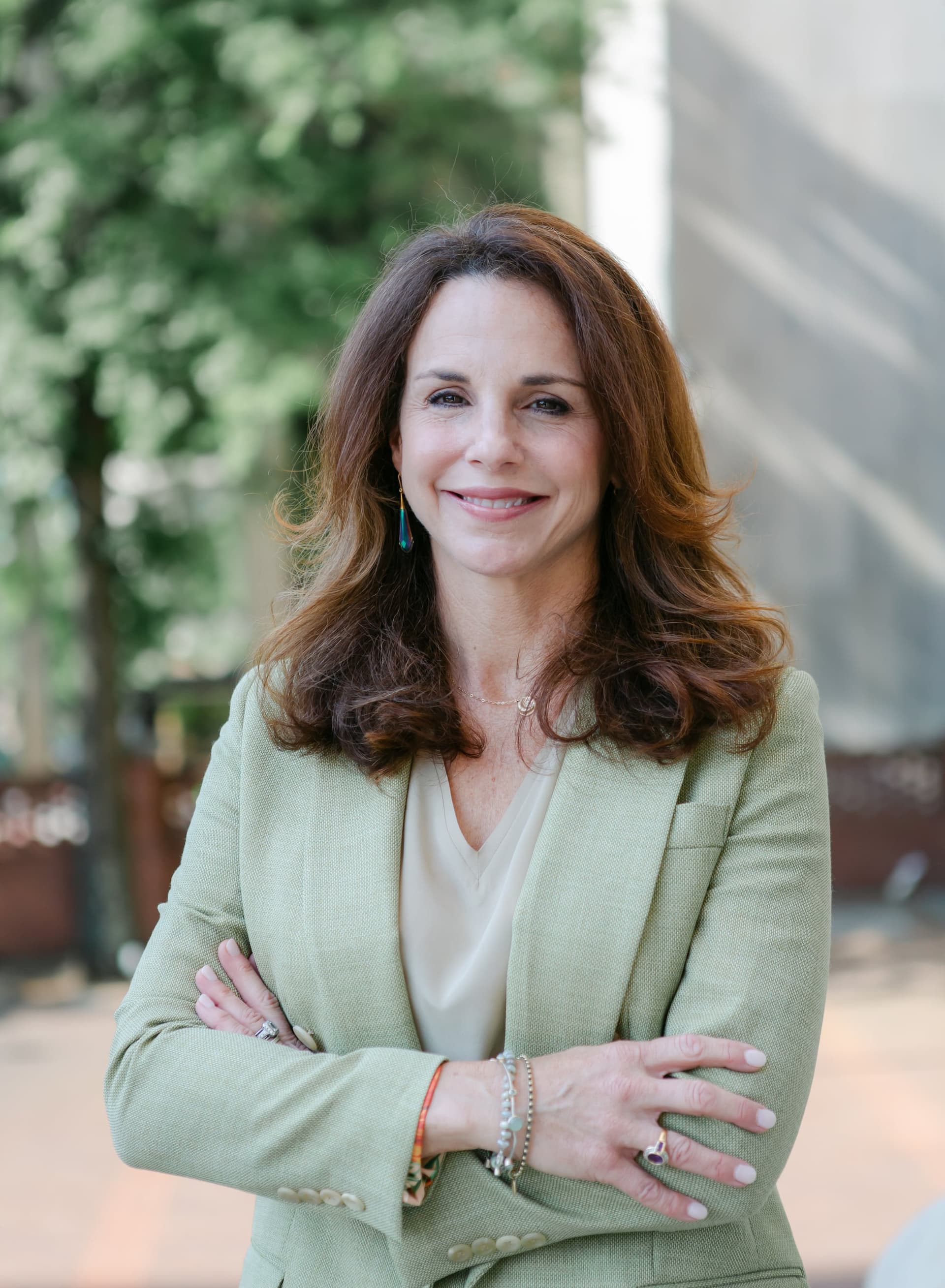
Written by
Brandon CabanissPrivate Wealth Advisor, CFP®
I grew up in Macon, GA — the music capital of the South — where live music and southern culture shaped my early roots. Drawn to creativity and history, I attended the College of Charleston. Though sur...
Read Brandon's Story →Our team is always happy to explore how these ideas apply to your personal financial situation.
Schedule a ConversationDesigned for women navigating transitions, building new futures, or simply seeking a healthier relationship with money, the 3W Project offers a new path forward.
By Brandon Cabaniss
Want to convert your cold, hard cash into more lasting memories? We’ll show you some unexpected ways in this week’s segment of Mike on the Money on WYFF News 4.
By Mike Giordano
The family finances. Why it’s important to get everyone involved. We’ll show you how to get started in this week’s segment of Mike on the Money on WYFF News 4.
By Mike Giordano