

Last week, I shared some language and color around starting the conversation about caregiving loved ones. This week, I want to talk about the stages of care and offer tips and resources for each stage. At a dinner with friends Sunday evening, the conversation turned to our aging parents. We are all in our 40s and early 50s and this is a common concern for our demographic, yet it is interesting to hear how each story is very different and we are all three in a different phase. I have moved my mom close and care for her in ways but she is mostly independent still. One couple was in the process of moving her parents from another state to be nearby and in assisted living because her father has health concerns. The other couple felt their parents were independent for now, but because they had cared for the grandparents very recently, they had this subject on their minds and probably needed to start the conversation.
This week, I met with clients in stage 3 (reference checklist). Their elderly parents could no longer care for themselves in their home. It was time to move to a facility to ensure they stay together. Yet, there was a strong push back and fight for independence. The daughter recognized she was giving up her own well-being trying to care for them. Such tough decisions. Very emotional transition for them all. They needed my guidance financially and a third party to acknowledge and inform their parents that it was time to take the next step.
I hope you find these resources timely and valuable. I have worked over the past several years with a Registered Nurse who has coached and guided clients and patients on their caregiving journey. Between the two of us, we created this checklist that combines not only the financial topics that are important to consider, but also the well-being topics that are important to understand on this journey.
I hope you find these resources timely and valuable.
Brandon R. Cabaniss, CFP ®
Private Wealth Advisor
Follow up Checklist to Caregiving Series:
Follow up Checklist to Caregiving Series:...
Multigenerational Planning for Intergenerational Care
This is a comprehensive list of items that may be referenced in the Caregiving conversation and cycle. This document is provided for informational purposes only.
Checklist for Stage 1/Stage 2/Stage 3 of care:
Checklist for Stage 1/Stage 2/Stage 3 of care:...
(ideally, checklist is completed in stage 1 so you have and keep updated when the next stage occurs.)
Stage 1: Parent (s) live independently-
Health status: Current health issues and what are the genetic predispositions?
Health status: Current health issues and what are the genetic predispositions?
Current Medicare and supplemental plan information
List of Medications (source: AARP )
List and contact information of current medical team
List and contact information of current medical team...
Do they have self-care practices – overall wellbeing (social, emotional, physical, spiritual, occupational) (source: LiveWell Strategies)
Healthcare Power of Attorney*
Advance Directives*
Advance Directives*...
Lifestyle/Caregiving support: Demographic of family- in home/city of parents, location of siblings (source: AARP )
Can they maintain their current home into their elder years?
Do they plan to downsize?
Do they plan to downsize?
Do they have long term care insurance/savings?
Do they have support from community and friends where they are? (source: LiveWell Strategies)
Is there money available to pay for those contingencies (e.g., savings or long-term care insurance)?
Is there money available to pay for those contingencies (e.
Income and retirement plan Make a list of all accounts and where they are held
Contact information or better yet meeting with Financial Advisor
Review Spending/Budget – Discuss long term and short-term goals like education funding and travel
Review Spending/Budget – Discuss long term and short-term goals like education funding and travel...
Consolidate and simplify accounts where possible, title properly
Review Social Security benefits
Streamline bill paying
Streamline bill paying...
Set up alerts on credit card – for gas, extraneous online purchases, etc.
Estate planning Strategies – wills, trusts, etc. Do they have a will or estate plan? Where are these documents located?
If so, does the plan reflect their current wishes (i.e., does it pass property to the correct people and have the correct people taking charge)?
If so, does the plan reflect their current wishes (i.
Make sure all beneficiary designations are up to date. These override the will! Should a transfer on death agreement (TOD) be set up on individual taxable accounts?
Do they have power of attorney, or joint accounts with caregivers, if necessary?
Insurance Have they made contingency plans for illness, disability or death of a spouse?
Insurance Have they made contingency plans for illness, disability or death of a spouse?
Make a list of all insurance policies (life, health, long-term care, etc.) and where they are located. Is coverage adequate?
Review homeowners, auto and umbrella liability insurance to make sure they are adequate, appropriate and up to date.
Review health insurance coverage and consider whether it would be appropriate to add a Medigap policy to pay for costs not covered by Medicare
Review health insurance coverage and consider whether it would be appropriate to add a Medigap policy to pay for costs n...
Stage 2: Parent (s) could use help in at least one of several ways-
Move closer to live nearby for social/well-being purposes, be closer to children/grandchildren
Downsize or finding more suitable housing
Downsize or finding more suitable housing...
Need assistance with transportation,
Need assistance with home maintenance and meals/shopping, Activities of Daily Living? (ADLs include Personal hygiene, dressing, eating, maintaining continence, and transferring/Mobility)
Short term disability causing a need for temporary assistance. Does this prompt questions for longer term care or next stage?
Short term disability causing a need for temporary assistance.
Parents are at different stages of healthcare
Stage 3: Parent (s) need full time assistance/care in facility or in home-
Is their home layout friendly for the long term (master on main, etc.)?
Is their home layout friendly for the long term (master on main, etc.
Do they have long term care insurance and/or resources to cover in home or nursing care?
If a facility is chosen, is it close to you or caregiver, how will you assist?
Can partners remain together?
Can partners remain together?
The Following Material is sourced from LiveWell Strategies:
Caregiver Support:
Who is most likely to become the caregiver? Can siblings share duties? What about trust between family members? How can they share information securely and transparently?
Who is most likely to become the caregiver?
How does this new role affect your time management?
Do you have to quit work or work less, how does that affect your income?
Will you need to contribute resources to help care for your family?
Will you need to contribute resources to help care for your family?
Do you have a support team – Financial Advisors, attorneys, Concierge or other service providers to help plan and care, maintain the home, run errands, etc.?
Do you have siblings or friends that can help support you or your parents?
Self-care: Are you taking time for yourself?
Self-care: Are you taking time for yourself?
Other Resources:
AARP
https://www.aarp.org/caregiving/financial-legal/info-2019/out-of-pocket-costs.html
org/caregiving/financial-legal/info-2019/out-of-pocket-costs.
https://www.aarp.org/health/brain-health/info-2020/dementia-women-risk-caregiving.html
Alzheimer’s Association
www.Alzheimers.org
www.
Eldercare Locator
1-800-677-1116 (toll-free)
www.eldercarelocator@n4a.org
www.
Local resources:
https://www.upstateseniors.org/
https://live-byg.com/
https://live-byg.
LiveWell Strategies
www.livewellstrategies.com
Long Term Care:
Long Term Care:...
1-202-619-0724
https://longtermcare.acl.gov/
National Institute of Aging
National Institute of Aging...
https://www.nia.nih.gov/health/what-are-signs-aging-parent-needs-help
www.SSA.gov
If your parents become your dependents, you may be eligible to claim social security benefits on their behalf.
If your parents become your dependents, you may be eligible to claim social security benefits on their behalf.
LinkedIn...
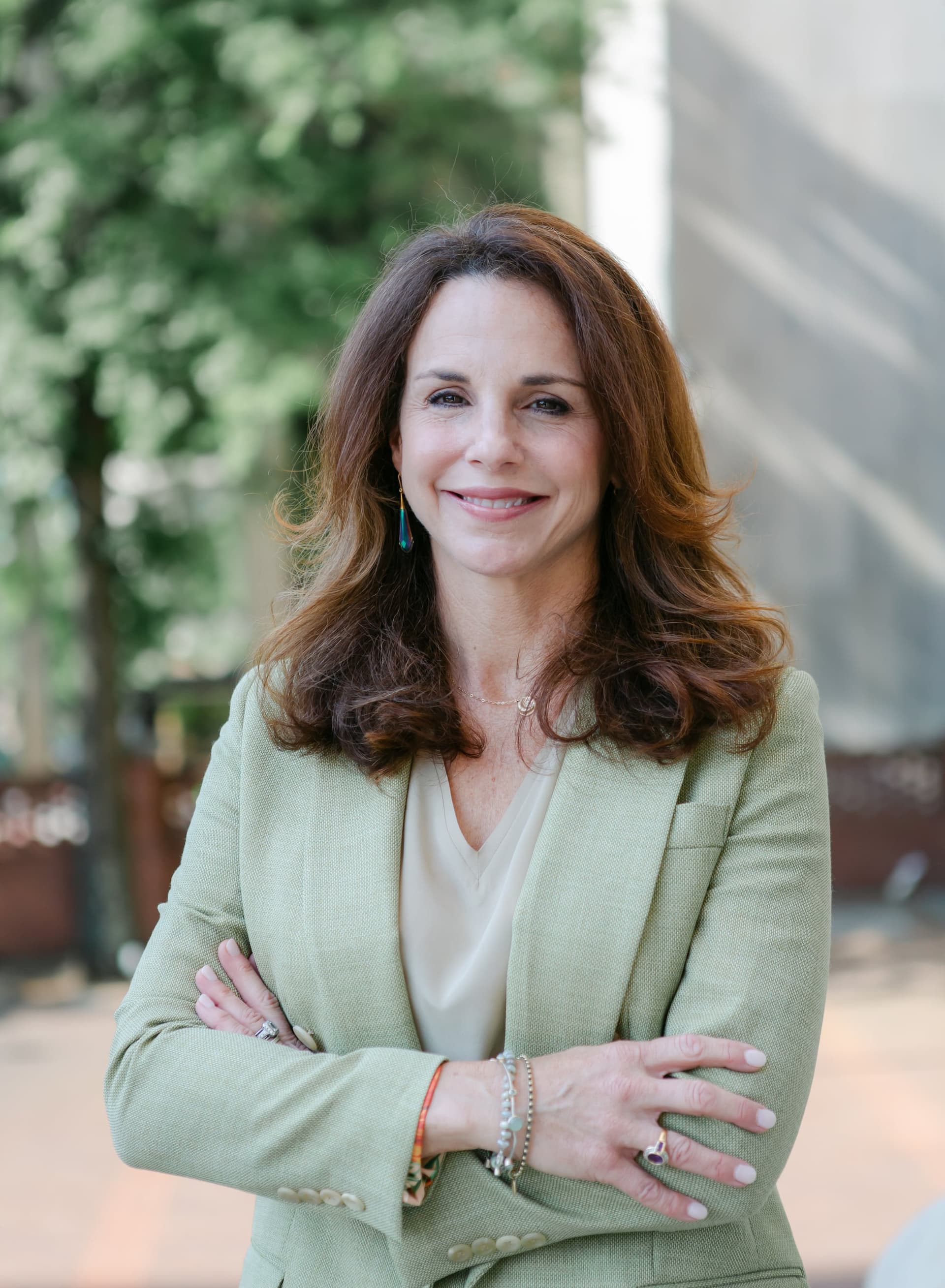
Written by
Brandon CabanissPrivate Wealth Advisor, CFP®
I grew up in Macon, GA — the music capital of the South — where live music and southern culture shaped my early roots. Drawn to creativity and history, I attended the College of Charleston. Though sur...
Read Brandon's Story →Our team is always happy to explore how these ideas apply to your personal financial situation.
Schedule a ConversationDesigned for women navigating transitions, building new futures, or simply seeking a healthier relationship with money, the 3W Project offers a new path forward.
By Brandon Cabaniss
Ask yourself every day. “What do I need to feel centered and grounded?
By Brandon Cabaniss
Want to convert your cold, hard cash into more lasting memories? We’ll show you some unexpected ways in this week’s segment of Mike on the Money on WYFF News 4.
By Mike Giordano